Source-first information
Original match, team, player, prediction, score, and odds-related values remain controlled by the active JSON/API source. Editorial copy adds navigation context only.
This matchup leans toward Egypt because of their superior individual quality in the attacking third and a more proven ability to control matches against…
The Matches page organizes all available match records from the active football information feed without changing source values. It helps users discover previews, scores, lineups, predictions, news, and related team pages.
Original match, team, player, prediction, score, and odds-related values remain controlled by the active JSON/API source. Editorial copy adds navigation context only.
Pages are written to answer common fan questions clearly: what is happening, where to go next, which match or team matters, and how to compare related pages.
Betting-related content is informational, intended for entertainment, and should be used only by eligible users. Always verify official sources and play responsibly.
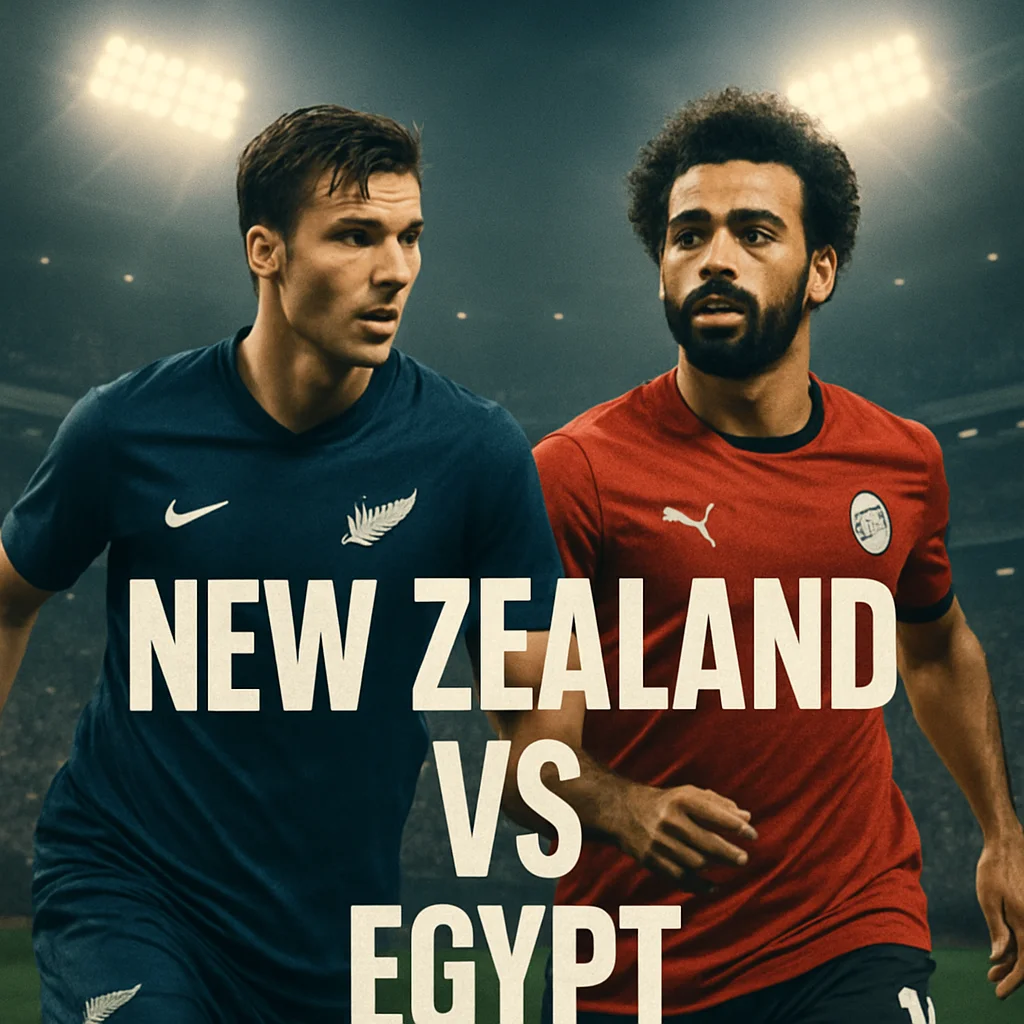
This matchup leans toward Egypt because of their superior individual quality in the attacking third and a more proven ability to control matches against compact opposition. New Zealand are usually disciplined, physically strong, and dangerous on set pieces, but they can struggle when they are forced to defend for long stretches without the ball. On a neutral venue, that balance often favors the side with more craft in possession and more match-winners in transition. New Zealand’s best route is to keep the game tight, deny central spaces, and look for direct attacks into Chris Wood early and often. Egypt, however, have the tools to break down a deep block through Salah’s wide influence, Trézéguet’s ball-carrying, and the support runs of Emam Ashour. If Egypt score first, the game could open up in their favor; if New Zealand survive the first hour level, the contest becomes much more difficult to call. Overall, Egypt’s defensive structure and superior final-third quality make them the likelier winners in a narrow, low-scoring affair.
| #1 | Mohamed El Shenawy | GK |
| #4 | Ahmed Hegazi | CB |
| #6 | Mohamed Abdelmonem | CB |
| #12 | Mohamed Hamdy | LB |
| #3 | Omar Kamal | RB |
| #14 | Hamdi Fathi | DM |
| #17 | Mohamed Elneny | CM |
| #7 | Trézéguet | LW |
| #22 | Emam Ashour | AM |
| #10 | Mohamed Salah | RW |
| #11 | Mostafa Mohamed | ST |
| #1 | Max Crocombe | GK |
| #3 | Liberato Cacace | LB |
| #4 | Michael Boxall | CB |
| #5 | Finn Surman | CB |
| #2 | Nando Pijnaker | RB |
| #8 | Joe Bell | CM |
| #6 | Marko Stamenic | DM |
| #7 | Joe Champness | RW |
| #10 | Clayton Lewis | AM |
| #11 | Kosta Barbarouses | LW |
| #9 | Chris Wood | ST |
Belgium and Egypt meet on 15 June 2026 in a neutral-site international that offers both teams a valuable benchmark…