Source-first information
Original match, team, player, prediction, score, and odds-related values remain controlled by the active JSON/API source. Editorial copy adds navigation context only.
Mexico and South Korea arrive with no documented head-to-head history in the supplied database, which makes this a fresh tactical matchup rather than one…
The Matches page organizes all available match records from the active football information feed without changing source values. It helps users discover previews, scores, lineups, predictions, news, and related team pages.
Original match, team, player, prediction, score, and odds-related values remain controlled by the active JSON/API source. Editorial copy adds navigation context only.
Pages are written to answer common fan questions clearly: what is happening, where to go next, which match or team matters, and how to compare related pages.
Betting-related content is informational, intended for entertainment, and should be used only by eligible users. Always verify official sources and play responsibly.
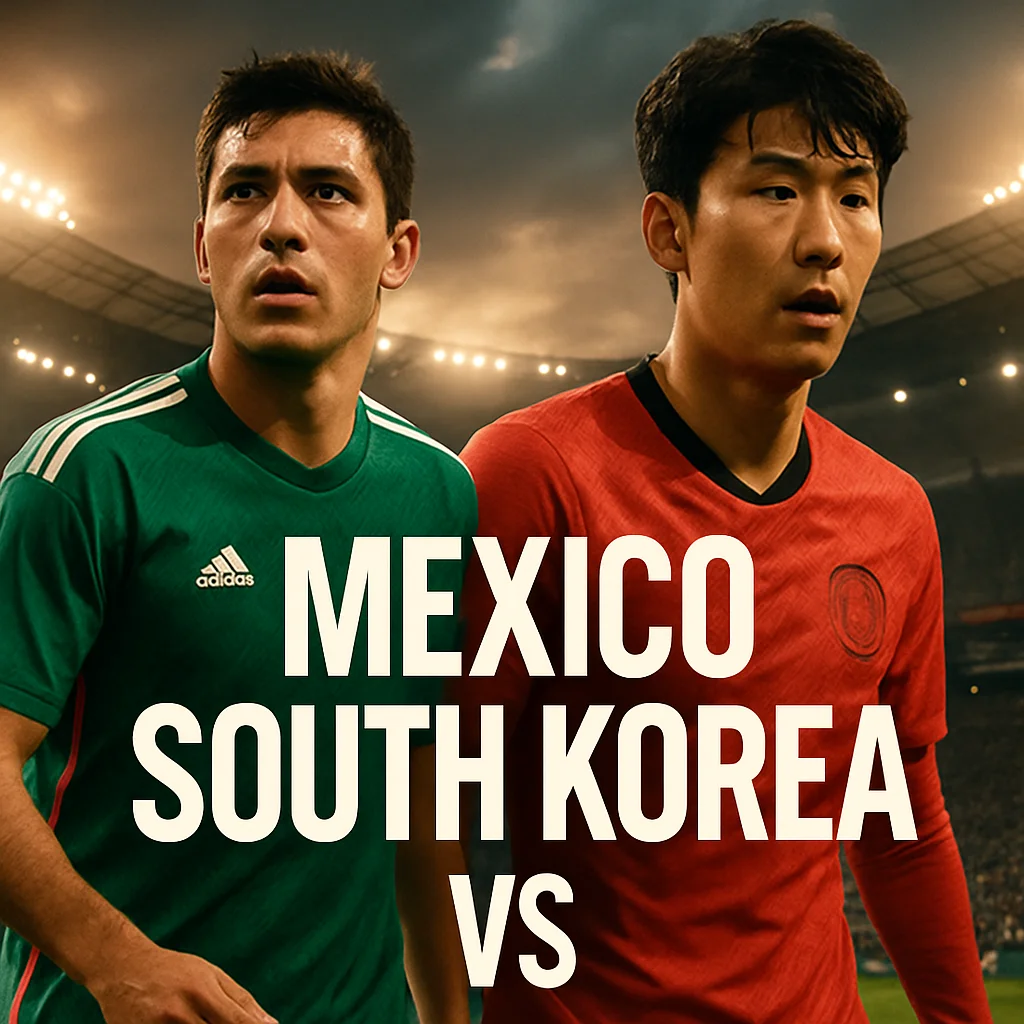
Mexico and South Korea arrive with no documented head-to-head history in the supplied database, which makes this a fresh tactical matchup rather than one shaped by past trends. On paper, Mexico’s edge comes from structure, physicality, and experience in managing compact international games, while South Korea’s main threat is the speed and technical quality of its attacking unit, especially in transition and wide areas. With both sides likely to respect the opponent’s counter-attacking ability, the opening phase may be cautious and heavily shaped by midfield control. Mexico are likely to try to compress the central lanes, build through Edson Álvarez and Luis Chávez, and use the width provided by the full-backs and wingers to stretch the Korean back line. South Korea, by contrast, can hurt teams through quick vertical play, diagonal runs from Son Heung-min and Hwang Hee-chan, and the creative passing of Lee Kang-in between the lines. The key battle may be whether Mexico can keep the game at a measured tempo; if they do, they can limit Korea’s transition game and create their own chances through set pieces and second balls. The likely outcome is a tight match with relatively few clear chances. Mexico’s defensive organization and South Korea’s elite attacking pace cancel each other out in many respects, which is why a draw looks the most balanced prediction. If either side lands the first goal, the rhythm will change sharply, but a 1-1 scoreline and an under-2.5-goals angle fit the matchup best.
| #1 | Luis Malagón | GK |
| #26 | Jorge Sánchez | RB |
| #3 | César Montes | CB |
| #5 | Johan Vásquez | CB |
| #6 | Gerardo Arteaga | LB |
| #4 | Edson Álvarez | DM |
| #24 | Luis Chávez | CM |
| #17 | Orbelín Pineda | AM |
| #15 | Uriel Antuna | RW |
| #11 | Santiago Giménez | ST |
| #22 | Hirving Lozano | LW |
| #1 | Kim Seung-gyu | GK |
| #15 | Seol Young-woo | RB |
| #4 | Kim Min-jae | CB |
| #19 | Kim Young-gwon | CB |
| #3 | Kim Jin-su | LB |
| #6 | Hwang In-beom | CM |
| #18 | Lee Kang-in | AM |
| #8 | Paik Seung-ho | CM |
| #7 | Son Heung-min | LW |
| #9 | Cho Gue-sung | ST |
| #11 | Hwang Hee-chan | RW |

This is a classic mismatch on paper, with Jamaica expected to control the match through superior pace, physicality…
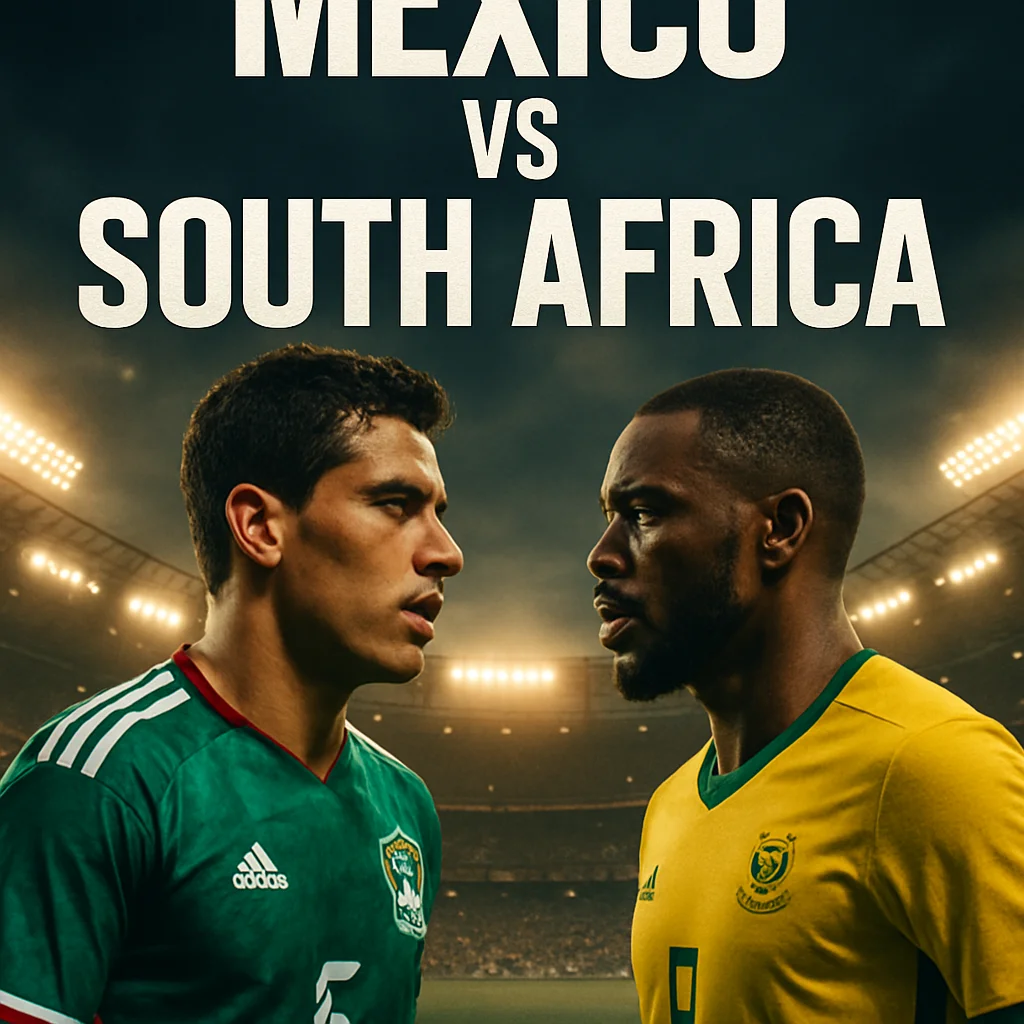
Mexico enter this neutral-site meeting as the more established side in terms of collective quality, tournament…

This matchup projects as a competitive neutral-site contest with the United States carrying a slight edge on overall…

This is a neutral-venue group-stage meeting that, on paper, tilts toward Switzerland because of their superior…

Belgium and Egypt meet on 15 June 2026 in a neutral-site international that offers both teams a valuable benchmark…

Argentina and Algeria meet in a Group Stage clash on 17 June 2026, with the Albiceleste expected to set the tempo…