Source-first information
Original match, team, player, prediction, score, and odds-related values remain controlled by the active JSON/API source. Editorial copy adds navigation context only.
This matchup profiles as a tight, tactical contest between two teams that can be organized without the ball and dangerous when transitions open up. Ivory…
The Matches page organizes all available match records from the active football information feed without changing source values. It helps users discover previews, scores, lineups, predictions, news, and related team pages.
Original match, team, player, prediction, score, and odds-related values remain controlled by the active JSON/API source. Editorial copy adds navigation context only.
Pages are written to answer common fan questions clearly: what is happening, where to go next, which match or team matters, and how to compare related pages.
Betting-related content is informational, intended for entertainment, and should be used only by eligible users. Always verify official sources and play responsibly.
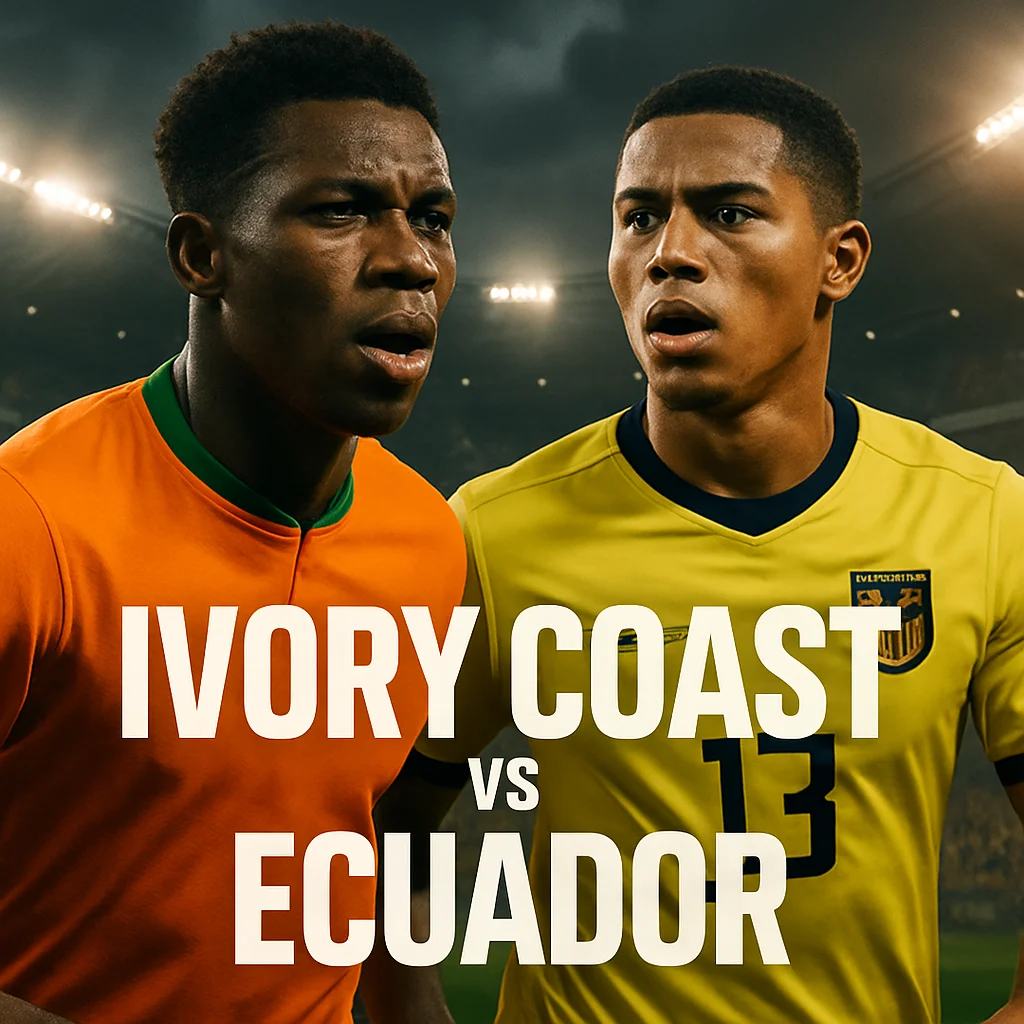
This matchup profiles as a tight, tactical contest between two teams that can be organized without the ball and dangerous when transitions open up. Ivory Coast bring size, athleticism, and powerful individual quality through the spine of the team, but they can become predictable if opponents deny them central progression and force them into slower wide attacks. Ecuador are usually more compact and disciplined, with a midfield that can control space and a back line built to absorb pressure before springing forward quickly. With no previous head-to-head record to draw on, the first meeting adds an element of uncertainty, but the game state points toward a cautious opening and a high chance of a narrow scoreline. The key tactical battleground should be midfield control. If Ivory Coast can push Franck Kessié and Seko Fofana into advanced zones, they can create second-ball pressure and supply Sébastien Haller with service in the box. Ecuador, however, are well suited to disrupting rhythm through Caicedo and their athletic defenders, while attacking through the channels with Plata and Estupiñán. Set pieces may also matter because both sides have aerial quality, and one dead-ball moment could decide the result. Overall, the balanced nature of the matchup and the likelihood of limited clear chances make a draw or a one-goal Ecuador win slightly more probable than a high-scoring Ivory Coast victory.
| #1 | Hernán Galíndez | GK |
| #17 | Ángelo Preciado | RB |
| #2 | Félix Torres | CB |
| #6 | Willian Pacho | CB |
| #7 | Pervis Estupiñán | LB |
| #23 | Moisés Caicedo | CM |
| #21 | Alan Franco | CM |
| #20 | Jhegson Méndez | CM |
| #19 | Gonzalo Plata | RW |
| #11 | Enner Valencia | ST |
| #16 | Jeremy Sarmiento | LW |
| #1 | Yahia Fofana | GK |
| #2 | Serey Dié | RB |
| #17 | Wilfried Singo | CB |
| #5 | Sinaly Diomandé | CB |
| #14 | Ghislain Konan | LB |
| #6 | Seko Fofana | CM |
| #8 | Franck Kessié | CM |
| #15 | Max-Alain Gradel | RW |
| #19 | Nicolas Pépé | LW |
| #16 | Amad Diallo | AM |
| #22 | Sébastien Haller | ST |
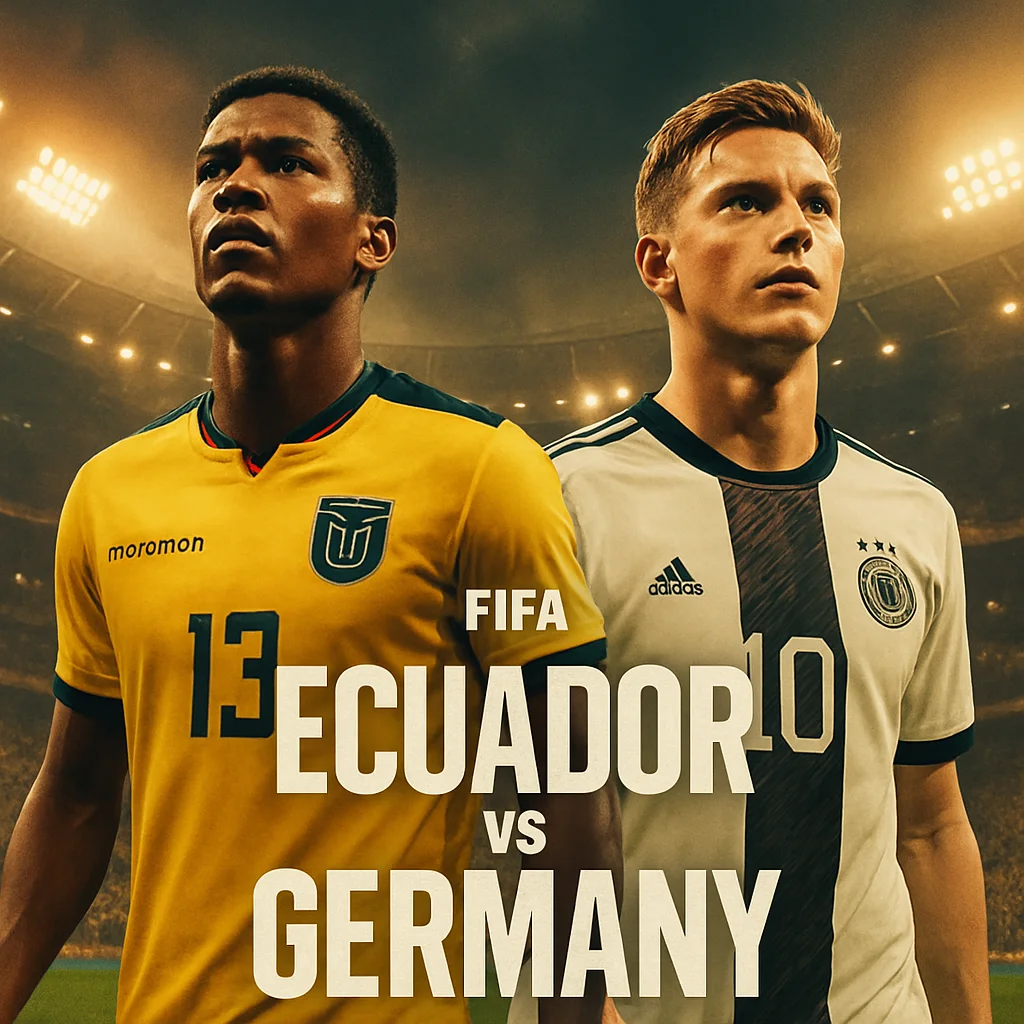
Ecuador face Germany in a neutral-site group-stage meeting that pits defensive resilience against attacking depth…